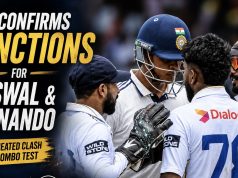


In a dramatic development ahead of the ICC Men’s T20 World Cup 2026, the Pakistan Cricket Board (PCB) has officially confirmed that the national team will boycott its scheduled match against India. The decision, announced weeks before the tournament, marks one of the most significant political interventions in modern cricket history and carries wide-ranging implications for the competition.
The T20 World Cup 2026 is being co-hosted by India and Sri Lanka, with Pakistan’s group-stage fixtures set to take place in Sri Lanka. Despite participating in the broader tournament, Pakistan has declared that it will not take the field in the match against India, which was scheduled to be played on 15 February 2026 in Colombo.
Official Statement from the PCB
In an official announcement, the PCB stated that Pakistan will fully participate in the tournament except for the India fixture. The board cited government directives and national security considerations as the primary reasons for the boycott. According to the PCB, the decision reflects the government’s position that its cricket team should not compete against India on Indian soil or under conditions it views as unfavourable.
The PCB emphasised that Pakistan remains committed to honouring all other fixtures and will continue preparations for the tournament with full focus on competing against other teams in its group.
Context Behind the Boycott
The decision comes amid heightened political tensions between Pakistan and India, which have periodically affected sporting relations over the years. Although both nations have faced off in neutral venues in ICC tournaments in the past, the 2026 situation is unique because Pakistan’s boycott specifically targets a single match in the context of a broader tournament.
The boycott follows earlier episodes of dispute involving Bangladesh’s reluctance to travel to India and calls from some Pakistani officials for enhanced security and diplomatic safeguards. Pakistan’s stance has been influenced by these broader regional dynamics.
ICC Protocols and Immediate Consequences
Under the ICC’s official playing conditions, a team that fails to appear for a scheduled fixture is considered to have forfeited that match. As a result:
- India will be awarded full points from the match.
- Pakistan will receive zero points for that fixture.
- The match will be listed as a forfeit loss for Pakistan in the official standings.
Additionally, a forfeit has implications for net run rate (NRR) calculations, since the match outcome is included in the team’s statistical profile. This could affect Pakistan’s chances of advancing to the Super Eight or knockout stages if NRR becomes a determining factor.
Beyond the direct sporting impact, the ICC may also review the matter under its disciplinary framework. While a forfeit is the immediate consequence, the governing body can consider further action if it determines that Pakistan’s boycott breached tournament participation obligations.
Reactions from Around the Cricket World
The announcement has triggered intense reactions from fans, former players, and cricket administrators globally:
- Indian fans and officials expressed disappointment, noting that India–Pakistan matches are among the most watched and anticipated in world cricket.
- Neutral cricket supporters voiced concern that political tensions should not influence the sport.
- Former cricketers and commentators highlighted the unique nature of the decision, underscoring its potential effects on future international competitions.
Many observers also pointed out that while Pakistan will still compete in other group matches, missing the marquee India game could have financial and emotional repercussions for Pakistan’s team and supporters.
Impact on Broadcasters and Sponsors
India–Pakistan clashes typically draw enormous viewership, significantly boosting broadcasting revenues and advertising interest. With millions of fans across Asia and around the world tuning in, the boycott of this high-profile fixture represents a setback for media partners and commercial stakeholders.
Broadcasters and sponsors are expected to seek clarity on commercial terms related to viewership guarantees and contractual obligations connected to marquee matches.
What’s Next for Pakistan in the Tournament
Pakistan will continue to play its remaining group matches against other qualified teams, aiming to secure enough points to advance in the World Cup. The team’s coaching staff has reiterated its commitment to performance and preparation, focusing on the players’ readiness and morale.
Despite the boycott, the PCB has reiterated that Pakistan’s priority is to compete effectively in the matches it does play, supporting team unity and maintaining cricketing excellence.
Conclusion
Pakistan’s boycott of its match against India at the ICC Men’s T20 World Cup 2026 represents a rare and impactful intersection of sport and geopolitics. While the team remains part of the overall tournament, the decision to forfeit a single high-profile fixture could have both sporting and symbolic ramifications.
As the World Cup progresses, all eyes will be on how this decision influences tournament dynamics, points tables, fan engagement, and international cricket relations. For fans around the globe, the hope remains that cricket’s unifying spirit will endure despite off-field challenges.