
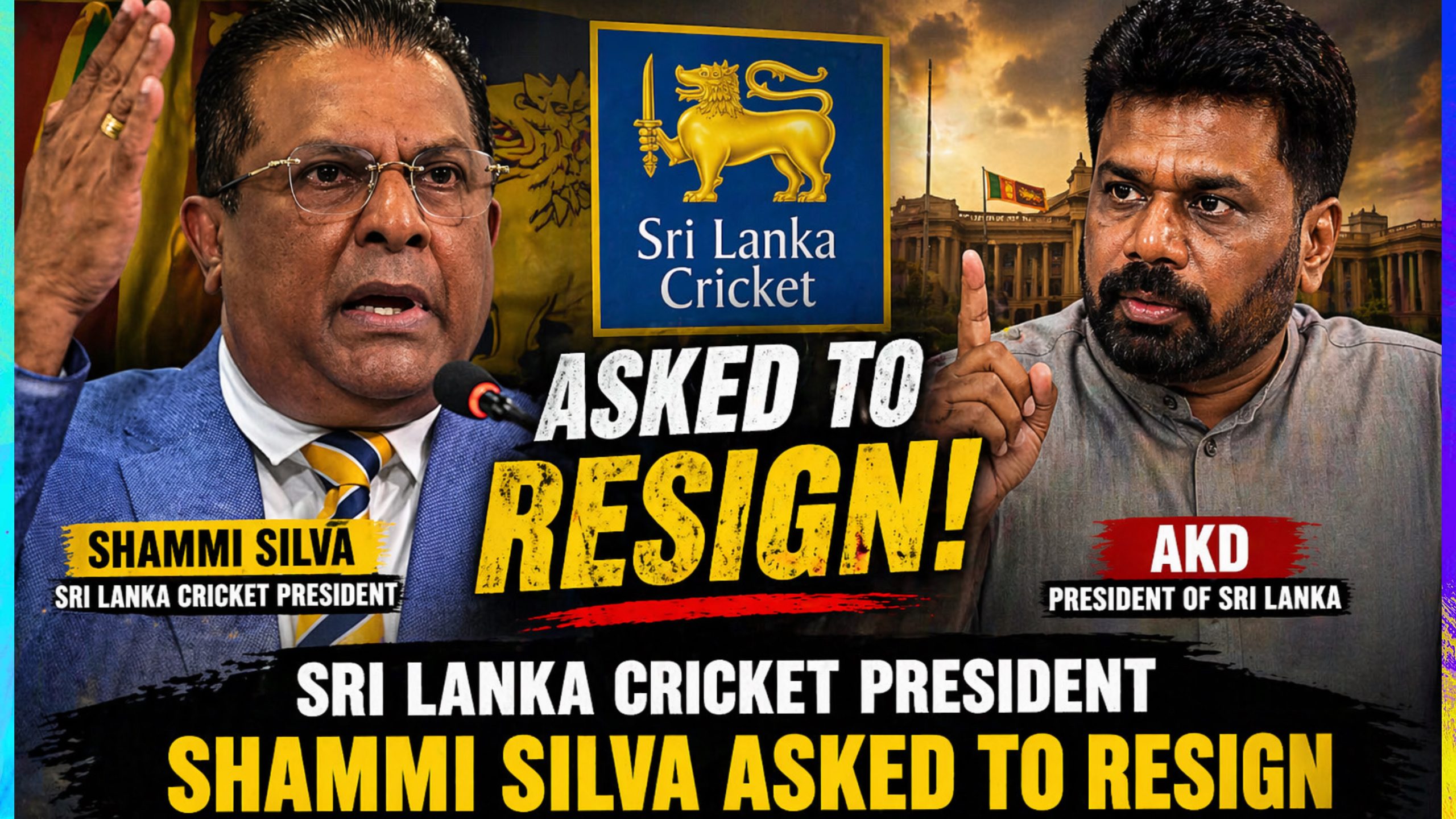
A major development has emerged in Sri Lanka’s cricket administration, as Shammi Silva, the current president of Sri Lanka Cricket, has reportedly been asked to step down by the country’s president, Anura Kumara Dissanayake.
This move has sparked widespread discussion within the cricketing community, raising questions about governance, accountability, and the future direction of cricket administration in Sri Lanka.
Background to the Situation
Sri Lanka Cricket has faced scrutiny in recent years over various administrative and performance-related concerns. While the national team has shown moments of promise on the field, off-field governance issues have often dominated headlines.
Shammi Silva, who has been a key figure in Sri Lanka Cricket administration, has overseen several important decisions, including team restructuring, tournament planning, and financial management. However, growing criticism from stakeholders and fans has increased pressure on the leadership.
Presidential Intervention
The reported request from President Anura Kumara Dissanayake marks a significant intervention in the affairs of Sri Lanka Cricket. While the exact reasons have not been officially detailed, such a move typically reflects concerns related to:
- Governance and transparency
- Performance of the national team
- Administrative efficiency
- Public and stakeholder confidence
The involvement of the country’s highest political office highlights the seriousness of the situation and the importance of cricket as a national institution in Sri Lanka.
Possible Reasons Behind the Decision
Although no formal statement has clarified the exact reasons, several factors may have contributed:
1. Governance Concerns
There have been ongoing discussions about improving transparency and accountability within Sri Lanka Cricket.
2. Team Performance
Inconsistent performances at the international level often lead to scrutiny of the board’s decisions.
3. Public Pressure
Cricket holds a special place in Sri Lanka, and public opinion can strongly influence administrative decisions.
4. Need for Structural Reform
There may be a push to bring new leadership and fresh ideas into the system.
Reaction from the Cricket Community
The news has generated mixed reactions:
- Some believe leadership change could bring positive reforms
- Others argue that stability is important for long-term planning
Former players, analysts, and fans have all weighed in, reflecting the deep connection between cricket and the nation.
What Happens Next?
At this stage, it remains unclear whether Shammi Silva will step down immediately or respond to the request. The situation could lead to:
- Leadership changes within Sri Lanka Cricket
- Administrative restructuring
- Increased oversight from authorities
Any decision taken in the coming days will likely have a significant impact on the future of Sri Lankan cricket.
Impact on Sri Lankan Cricket
This development could be a turning point for Sri Lanka Cricket. A leadership transition may open the door for reforms aimed at strengthening:
- Domestic cricket structure
- Player development programs
- Financial and governance systems
At the same time, maintaining stability during this period will be crucial to ensure minimal disruption to ongoing cricket activities.
Conclusion
The request for Shammi Silva to resign marks a critical moment in Sri Lanka Cricket’s administration. With the involvement of President Anura Kumara Dissanayake, the situation underscores the importance of transparency, accountability, and strong leadership in managing one of the country’s most beloved sports.
As the situation unfolds, all eyes will be on the decisions made by both the Sri Lanka Cricket board and national leadership, which could shape the future of cricket in the country.